
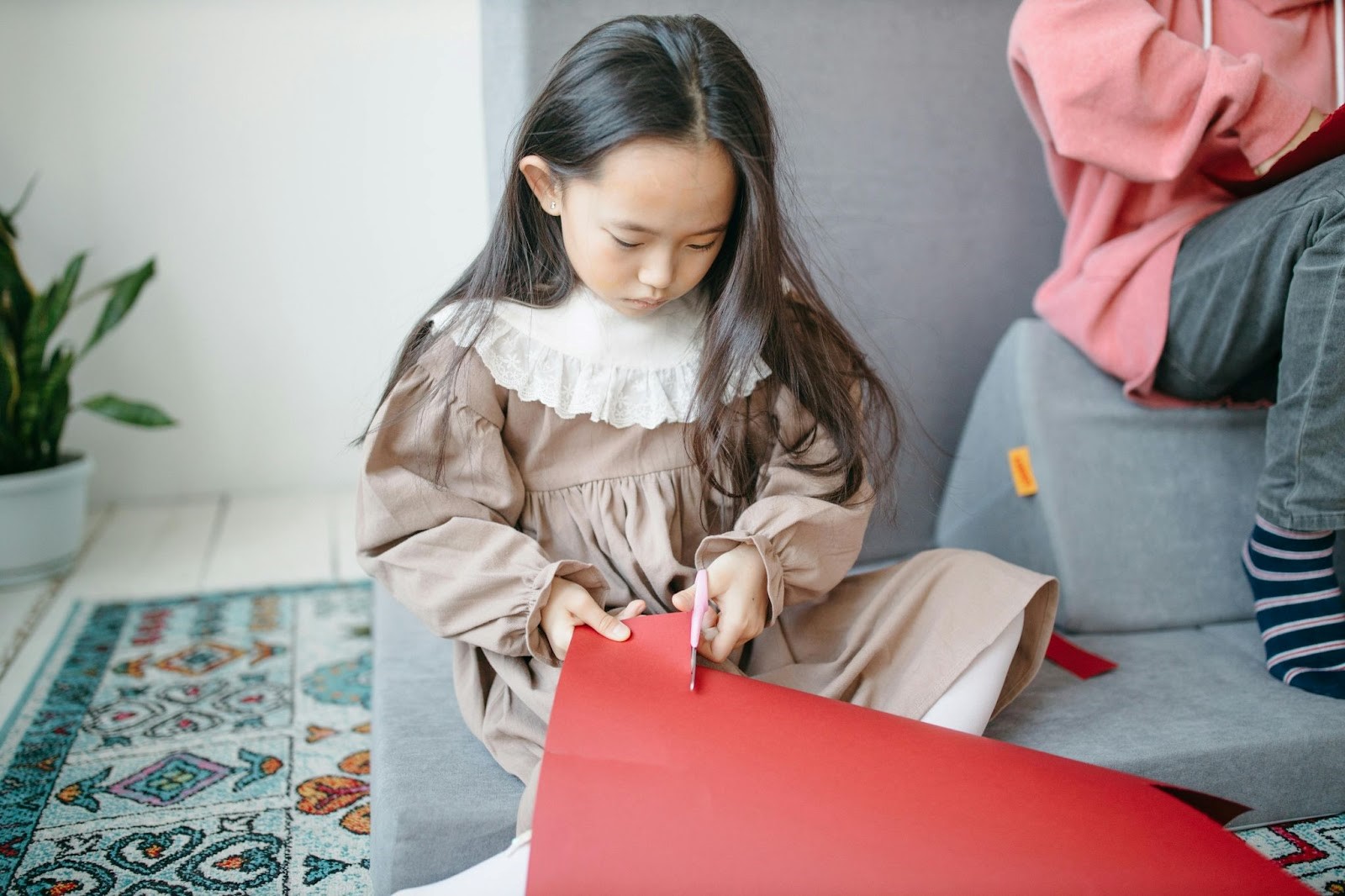
Creativity is like a garden, needing the right conditions to flourish. You might wonder how to cultivate this garden at home, ensuring your kids can explore their imaginations freely. By encouraging unstructured play and supplying open-ended materials, you can create an environment rich in possibilities. Setting up dedicated creative spaces and engaging in diverse activities can further nurture their artistic expression. But what specific strategies can you implement to truly spark their creativity and keep it thriving?
Encourage Free Play
Free play is like a canvas where kids can release their imaginations. It’s during these unstructured moments that they explore, create, and experiment without the boundaries of adult expectations. When you encourage free play, you’re giving them the freedom to choose what they want to do, which fuels their creativity and problem-solving skills.
Imagine your child building a fort out of couch cushions or pretending to be a superhero on a grand adventure. These scenarios aren’t just fun; they’re essential for their development. You might find that kids learn to communicate better, negotiate roles with friends, and develop resilience as they navigate challenges in their play.
To foster this environment, try to set aside regular time for free play. Limit distractions like screens, and create a safe space where they can fully immerse themselves in their imaginative worlds.
You don’t need to plan every moment—just let them lead the way. When kids feel free to express themselves, you’re not just watching them play; you’re nurturing their creativity, confidence, and ability to think outside the box.
Provide Open-Ended Materials
Creating an environment rich in creativity goes hand in hand with providing open-ended materials for your kids to explore. These materials—like blocks, clay, fabric scraps, and art supplies—encourage imaginative play without predefined outcomes. When you offer resources that don’t dictate a specific use, you let your child’s creativity flourish.
Let your little ones experiment without the fear of making mistakes. For instance, give them a box of assorted items and see what they come up with. They might build a rocket, create a monster, or design a dress. The possibilities are endless! This freedom helps them develop critical thinking and problem-solving skills.
You don’t need to invest in expensive materials. Simple items like cardboard boxes, paper rolls, and natural objects can spark incredible ideas. Remember, it’s not about the cost but the opportunity for exploration.
Encouraging your kids to manipulate their environment fosters a sense of ownership and pride in their creations. So, stock up on those open-ended materials and watch as your children immerse themselves in a world of creativity, innovation, and joy. They’ll surprise you with what they can create when given the freedom to imagine! Even something as simple as free coloring pages can spark new ideas and playful creations.
Set Up Creative Spaces
An inviting creative space can greatly enhance your child’s imaginative journey at home. To set this up, choose a dedicated area where your child can feel free to explore their creativity. This could be a corner of their room, a playroom, or even a space in the living room.
Make it cozy and inspiring by adding bright colors, comfortable seating, and plenty of natural light.
Stock the area with open-ended materials like art supplies, building blocks, or craft items. Encourage your child to personalize the space with their artwork and favorite books. This sense of ownership will boost their confidence and inspire them to create.
Keep the space organized but allow for some delightful chaos; creativity often thrives in a little mess. Regularly rotate materials and introduce new items to keep their interest alive.
You might also want to schedule dedicated creative time, turning it into a special routine that everyone looks forward to.
Limit Screen Time
While a dedicated creative space is important for inspiring imagination, it’s equally essential to recognize the role of screen time in your child’s daily life. Excessive screen time can stifle creativity, limiting opportunities for your child to engage in imaginative play and hands-on activities. By setting boundaries on screen use, you encourage them to explore their interests in more dynamic ways.
Try to establish specific times when screens are off-limits. Encourage your child to engage in activities that foster creativity, such as reading, building, or playing outside. You could even create a “screen-free” day where everyone in the family participates in creative endeavors together. This not only limits individual screen time but also strengthens family bonds.
Help your child discover new hobbies or interests that don’t involve screens. Whether it’s cooking, gardening, or playing a musical instrument, these activities can ignite their imagination and spark new ideas.
Explore Arts and Crafts
In a world brimming with possibilities, exploring arts and crafts can be a fantastic way to nurture your child’s creativity. Providing your kids with various materials—like paper, paints, clay, and recycled items—opens a treasure chest of creative opportunities.
You don’t need to buy expensive supplies; simple items like markers and old magazines can spark their imagination just as much.
Encourage them to express their feelings and ideas through their creations. Let them experiment with different techniques, whether it’s painting, drawing, or sculpting. You might be surprised by their unique perspectives!
Set aside dedicated time each week for arts and crafts, and join in the fun. This not only shows your support but also creates memorable bonding moments.
As they create, ask open-ended questions about their work. This encourages them to think critically and articulate their thoughts, reinforcing their creativity.
Remember, it’s not about the end product but the process of exploration and self-expression. Celebrate their efforts, regardless of the outcome, and you’ll instill a sense of confidence that fuels their artistic journey.
Foster Imaginative Storytelling
Every child has a story waiting to be told, and fostering imaginative storytelling at home can release their potential as budding authors. Start by creating a cozy storytelling nook with pillows and blankets, where they feel safe to share their ideas. Encourage them to use props like toys or drawings to inspire their narratives.
Try storytelling prompts to spark their creativity; ask questions like, “What if your toy came to life?” or “What adventure would a squirrel go on?” These prompts help them think outside the box.
When they tell a story, listen attentively, showing genuine interest. Your enthusiasm will motivate them to explore different plots and characters. You might even suggest collaborative storytelling, where you take turns adding to a tale—this can lead to unexpected twists and deepen their narrative skills.
Consider setting aside time for family storytelling nights. You can read stories together, discuss characters, and explore themes. This not only nurtures their imagination but also strengthens your bond.
Incorporate Music and Movement
After nurturing storytelling skills, it’s time to explore another exciting avenue for creativity: incorporating music and movement. Engaging your kids in music and movement not only stimulates their imagination but also promotes physical health and emotional expression.
You can create a vibrant atmosphere at home that encourages your children to dance, sing, and explore their rhythmic side.
Here are some fun ways to get started:
- Play a Variety of Music: Introduce different genres, from classical to rock, allowing them to experience diverse rhythms and melodies.
- Dance Parties: Set aside time for spontaneous dance parties where everyone can let loose, encouraging freedom of movement.
- Musical Games: Incorporate games like freeze dance or musical chairs to combine fun with movement and music.
- Create Instruments Together: Craft simple instruments using household items, fostering creativity and hands-on learning.
Engage in Nature Activities
Nature has a wonderful way of inspiring creativity in kids, and engaging them in outdoor activities can spark their imaginations like nothing else.
Take your children outside and let them explore their surroundings. Whether it’s a local park, a backyard, or a hiking trail, nature offers endless opportunities for discovery.
Encourage them to observe the colors, textures, and sounds around them. You can turn a simple walk into a scavenger hunt, asking them to find specific leaves, rocks, or flowers. This not only keeps them engaged but also nurtures their observational skills and curiosity.
Consider starting a nature journal where they can draw or write about their findings. This practice combines creativity with reflection, allowing them to express their thoughts and feelings about their experiences.
You might also try crafting with natural materials—like making leaf rubbings or creating sculptures from twigs and stones.
These hands-on activities allow kids to connect with the environment while tapping into their artistic side.
Support Collaborative Projects
Collaborative projects can be a fantastic way to foster creativity in kids while teaching them valuable teamwork skills. When children work together, they learn to share ideas, listen to different perspectives, and combine their unique talents to create something special.
You can encourage this by organizing projects that pique their interests, whether it’s building a fort, crafting a play, or designing a garden.
Here are some tips to support collaborative efforts:
- Encourage open communication: Teach your kids to express their thoughts and listen to each other. This builds respect and understanding.
- Assign roles based on strengths: Let each child take on a role that plays to their skills, whether it’s brainstorming, organizing materials, or presenting.
- Celebrate all contributions: Acknowledge everyone’s input, reinforcing that every idea matters. This boosts confidence and invites more creativity.
- Reflect on the process: After completing the project, discuss what worked well and what could improve next time. This reflection fosters growth.
Additionally, exploring creative outlets like writing or designing could help them develop skills that may later benefit them in their education, particularly when it comes to accredited online schools, where independent learning and creativity are highly valued.
Conclusion
By creating an environment that nurtures creativity, you’re not just filling your child’s days with fun—you’re planting the seeds for their imagination to flourish. Remember, every little spark counts; it’s all about giving them the freedom to explore and express themselves. So, roll up your sleeves and immerse yourselves in these activities together. You’ll find that fostering creativity at home can turn into a beautiful journey, strengthening your bond while watching your child’s unique talents blossom.