
Have you ever wished your home could just work better for you? Maybe you’ve struggled with a dark kitchen, battled cluttered closets, or felt frustrated with drafty windows in the winter. Life’s already complicated—shouldn’t your living space make things a little simpler?
Design trends are increasingly focused on functionality, not just looks. It’s no longer enough for a home to be pretty; it also needs to be practical. From open-concept layouts to energy-efficient features, modern designs are all about improving how we live every day. In places like Indianapolis, where seasonal weather extremes put homes to the test, these trends aren’t just nice to have—they’re essential.
In this blog, we will share some of the top design trends that are making life easier for homeowners, with practical ideas you can consider for your own space.
Making Your Home Work Smarter
The best design trends aren’t just stylish—they solve problems. Think of smart home systems that let you control lights and temperatures from your phone, or built-in storage that keeps clutter at bay. These features make everyday tasks faster and less stressful, freeing you up for the things that matter most.
For homeowners in Indianapolis, functionality often starts with the basics. Weather here can be unpredictable, swinging from scorching summers to icy winters. That’s why upgrades like energy-efficient windows are gaining popularity. Working with a reliable Indianapolis window replacement company can help modernize your home while tackling problems like drafts or rising energy bills. With better insulation and improved technology, these windows keep your home comfortable year-round and help reduce your carbon footprint.
But it’s not just about staying warm in winter or cool in summer. Modern windows also let in more natural light, creating a brighter, happier environment. After all, who doesn’t feel better in a sunlit room?
Flexible Spaces for Modern Living
One of the biggest shifts in home design is the focus on flexibility. Open-concept spaces were the rage a decade ago, but now homeowners want rooms that can do more. A dining area might double as a home office. A spare bedroom could transform into a yoga studio.
This trend is fueled by societal changes. Remote work is here to stay, and many people are rethinking how they use their spaces. Multi-functional furniture, like fold-out desks or modular sofas, makes it easier to adapt your home to your changing needs.
For families, flexible spaces are even more valuable. Kids can have a play area that turns into a homework zone as they grow older. Parents can create a quiet workspace during the day and a cozy living room for movie nights in the evening.
Sustainability Meets Style
Gone are the days when eco-friendly design meant sacrificing aesthetics. Today, sustainability is seamlessly integrated into beautiful, functional designs. Homes are being built with reclaimed materials, energy-efficient systems, and water-saving features—all without compromising style.
Solar panels are becoming more common, and not just for environmental reasons. Lower utility bills and tax incentives make them a smart investment. Similarly, energy-efficient appliances are now a staple in modern kitchens, combining sleek design with lower energy consumption.
Incorporating natural elements is another way sustainability is influencing design. Wooden beams, stone countertops, and bamboo flooring bring warmth and texture to a home, creating a sense of harmony with the environment.
Designing for Wellness
Our homes play a huge role in our well-being, and recent trends reflect this growing awareness. From air purifiers to spa-like bathrooms, homeowners are prioritizing health and relaxation.
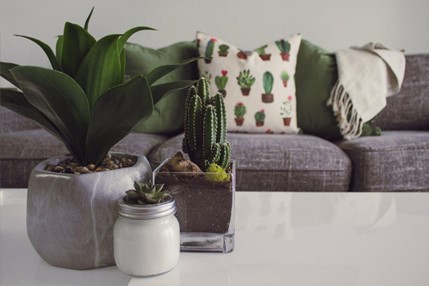
Lighting is a big part of this. Adjustable lighting systems that mimic natural daylight can improve mood and sleep patterns. Plants are another wellness-friendly trend, with living walls and indoor gardens becoming popular ways to improve air quality and add life to interiors.
Bathrooms are getting their moment too. Think rainfall showers, soaking tubs, and heated floors—features that turn daily routines into moments of self-care. After all, who wouldn’t want their bathroom to feel like a five-star spa?
Accessible and Inclusive Design
As people plan for the future, homes are becoming more inclusive. Universal design principles ensure that spaces work for everyone, regardless of age or ability. Features like wider doorways, zero-step entrances, and walk-in showers make homes more accessible without sacrificing style.
This approach isn’t just practical; it’s forward-thinking. Whether you’re planning to age in place or simply want to create a home that welcomes guests of all abilities, accessible design adds value and functionality.
Bringing Nature Indoors
One of the simplest ways to enhance your home is by inviting nature inside. The biophilic design trend focuses on connecting indoor spaces with the natural world, creating a calming and rejuvenating atmosphere. It’s more than just adding a few plants—it’s about incorporating natural elements into the very fabric of your home.
Large windows or glass doors that provide uninterrupted views of the outdoors blur the line between your home and its surroundings. Materials like wood, stone, and bamboo, combined with earthy tones, create a grounded and serene aesthetic. If you’re not ready for a full redesign, even small touches like adding potted plants or natural fiber rugs can make a big impact.
Research shows that exposure to nature reduces stress and boosts creativity. Bringing those elements into your home doesn’t just make it more beautiful; it makes it a place where you truly feel at ease.
Tech-Driven Convenience
Technology is reshaping how we interact with our homes, and smart design is all about making life easier. From smart thermostats that learn your habits to voice-controlled lighting systems, these innovations take the guesswork out of daily tasks.
Home automation is particularly popular for its convenience. Imagine starting your coffee maker, locking your doors, and dimming your lights—all with a single command. Devices like smart fridges can track your groceries and even suggest recipes based on what you have.
The Big Picture
At the heart of these trends is the idea that our homes should make life easier, not harder. Whether it’s a quick fix like replacing outdated windows or a larger renovation to create flexible spaces, the goal is the same: to build a home that works for you.
These trends also reflect broader societal shifts. As people spend more time at home, they’re investing in spaces that support their needs, values, and lifestyles. Homes are becoming smarter, greener, and more adaptable—just like the people who live in them.
So, the next time you think about upgrading your home, ask yourself: will this make my life easier? If the answer is yes, you’re on the right track. Because when your home works better, so does everything else.