
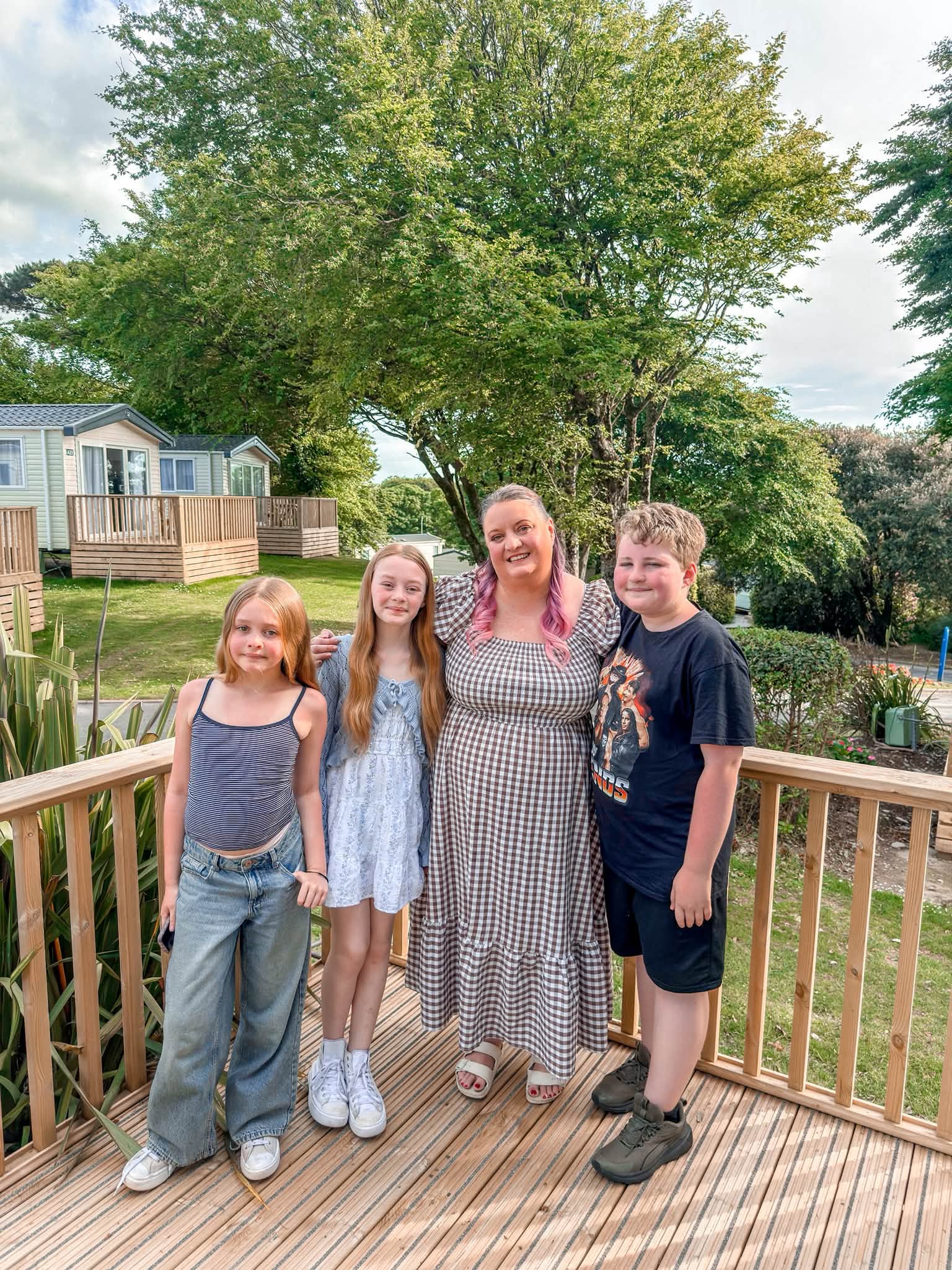
Family trips can be wonderful without running to a timetable. A little planning helps avoid the avoidable snags, but leaving room for naps, snack stops and unexpected discoveries often makes the best memories. The trick is to plan around how your family actually travels, rather than trying to fit everyone into an ambitious itinerary.
Begin with the shape of the day
Before booking activities, think about your children’s usual rhythms. If mornings are your easiest time, put the one must-do outing there and keep the afternoon flexible. If everyone needs a quiet hour after lunch, choose accommodation where you can return without losing half the day in transit.
It can help to plan one main activity each day, then keep a short list of optional extras nearby. A playground, beach, market or small museum can fill a spare hour without requiring a complicated booking. When energy runs low, you can skip the extras without feeling the whole day has gone wrong.
Choose a base that makes life easier
A bargain room far from transport and food shops may cost more in time, taxi fares and tired tempers. Look at the practical details as well as the nightly rate: how long it takes to reach the places you want to visit, whether there is somewhere to prepare simple meals, and how easy it is to get back for a rest.
For a longer stay, a kitchen or kitchenette can make breakfast and familiar snacks easy. On a short city break, being close to a reliable bus or train route may matter more. There is no perfect location for every family; the best choice is the one that removes the most friction from your particular trip.
Pack for comfort, not every possibility
It is tempting to prepare for every imaginable mishap, but overpacked bags can make travel harder. Start with the essentials for your destination and season, then add a few items that reliably help your children feel settled: a favourite small toy, headphones, or a familiar snack. Keep a change of clothes and basic wipes accessible rather than buried at the bottom of a suitcase.
If you are travelling with a buggy, car seat or other bulky equipment, check the airline or transport provider’s current rules before leaving home. Policies can differ, and a quick check helps prevent a stressful surprise at the airport. For road trips, plan regular stops before anyone is desperate for one.
Give children a part in the adventure
Children are often more engaged when they have a little say. Let them choose between two suitable activities, pick a treat at a local shop, or help spot landmarks on the way. Older children might enjoy keeping a simple travel journal or choosing one photograph each day that captures a favourite moment.
That does not mean every decision needs to become a negotiation. Set clear limits around time, safety and spending, then offer choices within them. A small role can give children a sense of ownership while keeping the planning manageable for adults.
Keep a record without turning the trip into a project
Photos are lovely, but you do not need to document every meal and monument. Take a few pictures, jot down a funny quote, or save a ticket in a notebook. Those small details can bring a trip back more vividly than dozens of near-identical snapshots.
If you write a family travel blog, sharing practical lessons can also help other parents. A clear account of what worked, what you would change and what was genuinely suitable for children is often more useful than a polished list of attractions. For writers looking to contribute beyond their own site, browsing guest posting websites can help identify blogs covering relevant subjects. Choose a publication whose readers would benefit from your experience, and follow its submission guidance rather than sending the same pitch everywhere.
You can also get help with time-consuming tasks if you want to publish more regularly. For example, a freelance editor might help shape notes into a readable guide, while a designer could create a simple map or printable checklist. Before hiring, agree on the scope and price. Osdire’s advice on getting more value from freelance work is one place to consider when setting a budget and comparing options. Keep the project small enough that it supports your travel writing rather than taking over your holiday.
Leave space for the unplanned
Some of the most memorable family moments are not on the itinerary: a sudden downpour that sends everyone into a café, a friendly local recommending a nearby park, or an extra hour spent watching boats. Build breathing room into your plans so these moments feel like part of the trip, not interruptions.
A successful family holiday does not have to mean seeing everything. If everyone gets time to explore, rest and enjoy being together, the plan has done its job. Keep the essentials organised, stay open to changing course, and let the days unfold at a pace that suits your family