
Contaminants in drinking water can pose significant health risks, ranging from gastrointestinal diseases to neurological disorders. According to the Environmental Protection Agency (EPA), there are over 90 contaminants that may occur in drinkable water. To mitigate these risks, many households are turning to home water filtration systems as a protective measure. A well-chosen water filter can effectively remove impurities, ensuring safer and cleaner water for consumption.
Access to clean water is not just a convenience; it’s vital to maintaining a healthy lifestyle. Improved taste, elimination of harmful chemicals, and long-term savings are among the numerous benefits of installing a home water filtration system. Below, we explore these advantages in detail.
Exploring the Health Advantages of Home Water Filtration Systems
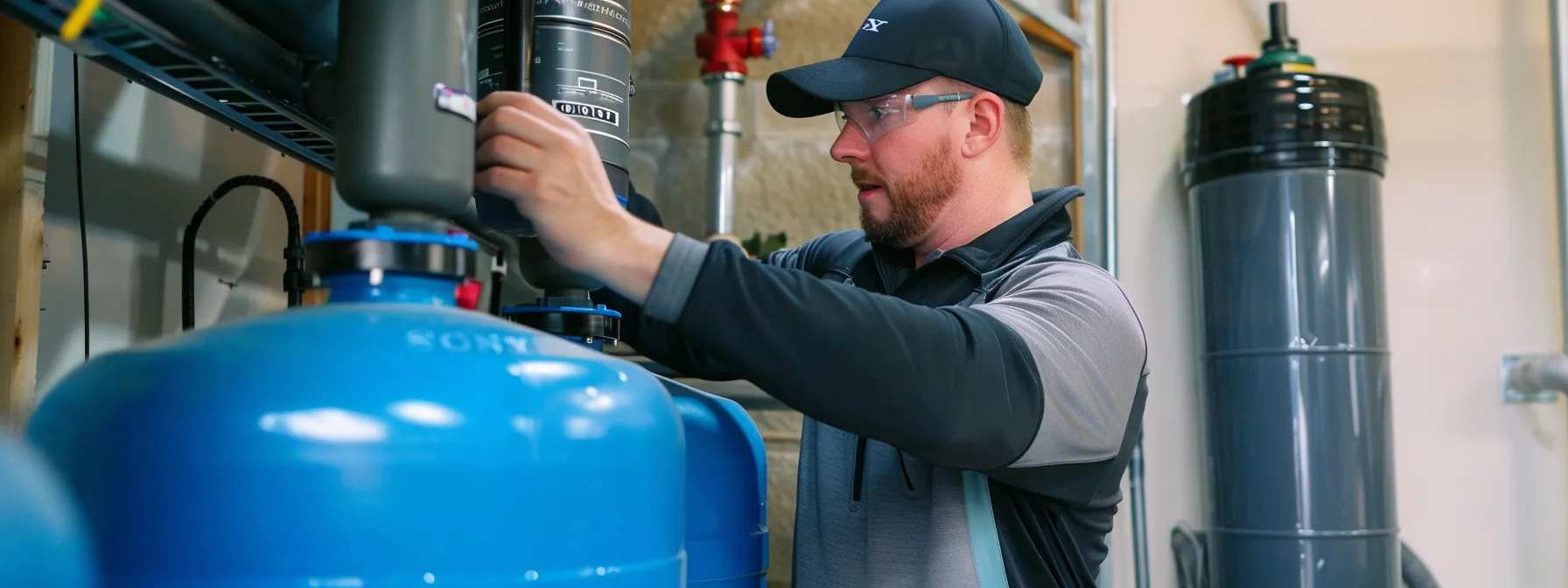
Home water filtration systems serve as a first line of defense against a range of waterborne pathogens and heavy metals, including lead, cadmium, and mercury. These contaminants can compromise immune system functionality and contribute to chronic illnesses. Filters certified by organizations such as the National Sanitation Foundation (NSF) remove specific health-related contaminants.
Many filtration systems also eradicate chlorine and its byproducts, which are commonly used to disinfect public water supplies. Studies have shown a correlation between long-term exposure to chlorinated water and several forms of cancer. Water filters that remove chlorine reduce exposure to it, potentially decreasing the risk of cancer.
For families seeking to protect their health, a thorough assessment of local water quality reports can inform filter selection. Choosing a system that targets the specific contaminants present in your area is key. For example, Water Filtration Installation in Boise, ID by Magic Electric, Plumbing, Heating & Air can advise on the best filters for local water conditions.
Enhancing Taste and Odor: The Role of Water Filters in Your Kitchen
Aside from health benefits, water filters are instrumental in improving the overall taste and odor of tap water. In many regions, tap water contains trace minerals and chemicals that can impart an unpleasant taste or odor. A tailored filtration system can eliminate these elements, revealing water’s natural, refreshing quality.
The presence of chloramines, formed by combining chlorine with ammonia, is particularly notorious for giving water a sharp taste and odor. By using activated carbon filters, households often notice a marked improvement in the taste of their drinking water.
Individuals interested in elevating their culinary experience should consider how water quality affects food preparation. Water used in cooking can significantly affect the flavor of dishes. Using filtered water can therefore enhance the taste of beverages, such as coffee and tea, as well as soups and cooked items.
Cost Savings Over Time With Residential Water Filtration
Investing in a home water filtration system can lead to significant savings over time. While the initial outlay for a filtration system may be substantial, the reduction in reliance on bottled water offsets this expense. On average, filtered tap water costs far less per gallon than the total cost of purchasing bottled water.
In fact, reports show that the average American household spends about $100 per year on water filters, compared with more than $1,000 annually on an equivalent amount of bottled water. Over the years, this difference has represented a considerable financial advantage.
Homeowners should evaluate their average water consumption and compare it with the cost of bottled water alternatives to gauge potential savings. Additionally, maintaining your water filtration system as recommended ensures optimal performance and extends its lifespan, further maximizing cost-effectiveness.
Environmental Impact Reduction Through Home Water Filtration Systems

Owning a home water filtration system not only benefits individual households but also contributes to the greater good by reducing environmental impact. The excessive use of bottled water is a significant contributor to plastic waste—most of which is not recycled properly and ends up in landfills and oceans.
By using water filters, families can dramatically decrease their plastic footprint. For instance, one water filter cartridge can prevent hundreds of plastic bottles from being used and discarded. With increased awareness of plastic pollution’s detrimental effects on ecosystems, switching to sustainable home water filtration becomes a constructive environmental choice.
For those looking to take environmentally conscious steps, adopting a water filtration system is a tangible action. It aligns with the global efforts to manage waste more effectively and protect natural resources for future generations.
Investing in home water filtration systems offers numerous benefits, including safeguarding health, saving money, and protecting the environment. The importance of selecting a system tailored to your local water source cannot be overstated, as it ensures optimal contaminant removal. As individuals become more conscious of their health, financial situation, and environmental impact, the role of home water filtration is likely to become a cornerstone of responsible living.