
Why Serious Students Need Time for Play
Welcome to the comprehensive view on the importance of integrating play into the rigors of academic life. As serious students devote significant periods to uninterrupted study, the necessity to interweave intervals of play becomes crucial for their cognitive and emotional well-being. Not only does play provide a deserved break from intensive learning, but it also reinforces various key developmental areas necessary for academic success. Keep reading to dive into the beneficial interplay between study and play for a balanced academic journey.
Understanding the Role of Play in Cognitive Development

Intellectual growth goes beyond textbooks; it thrives on diverse experiences, including play. Playful activities stimulate memory, attention, and problem-solving, crucial for tackling complex academic tasks. Beyond academics, play encourages social skills, teaching teamwork, empathy, and cooperation—skills valuable in group projects and discussions.
Play nurtures creativity and innovation. Breaks for imaginative play often lead to ‘eureka’ moments where new solutions emerge. Schools that support recess and arts programs report students with better focus and a greater enthusiasm to learn. Just as the best online social casinos offer a fun break for adults, playful activities in schools enhance learning by meeting the holistic needs of students.
The Impact of Play on Academic Performance

Research shows that non-academic play can improve academic performance by boosting mental focus and concentration. Physical play, particularly during breaks, improves classroom behavior and learning outcomes by increasing blood circulation and oxygen flow to the brain. This enhances cognitive functions like concentration and memory recall.
Structured play also improves life skills like time management and goal setting. Students who engage in structured play transfer these skills back into their academic pursuits. Studies also show a direct correlation between scheduled downtime and academic resilience, with students who take purposeful breaks less susceptible to burnout and more likely to overcome academic obstacles.
Balancing Study and Play: Strategies for Time Management
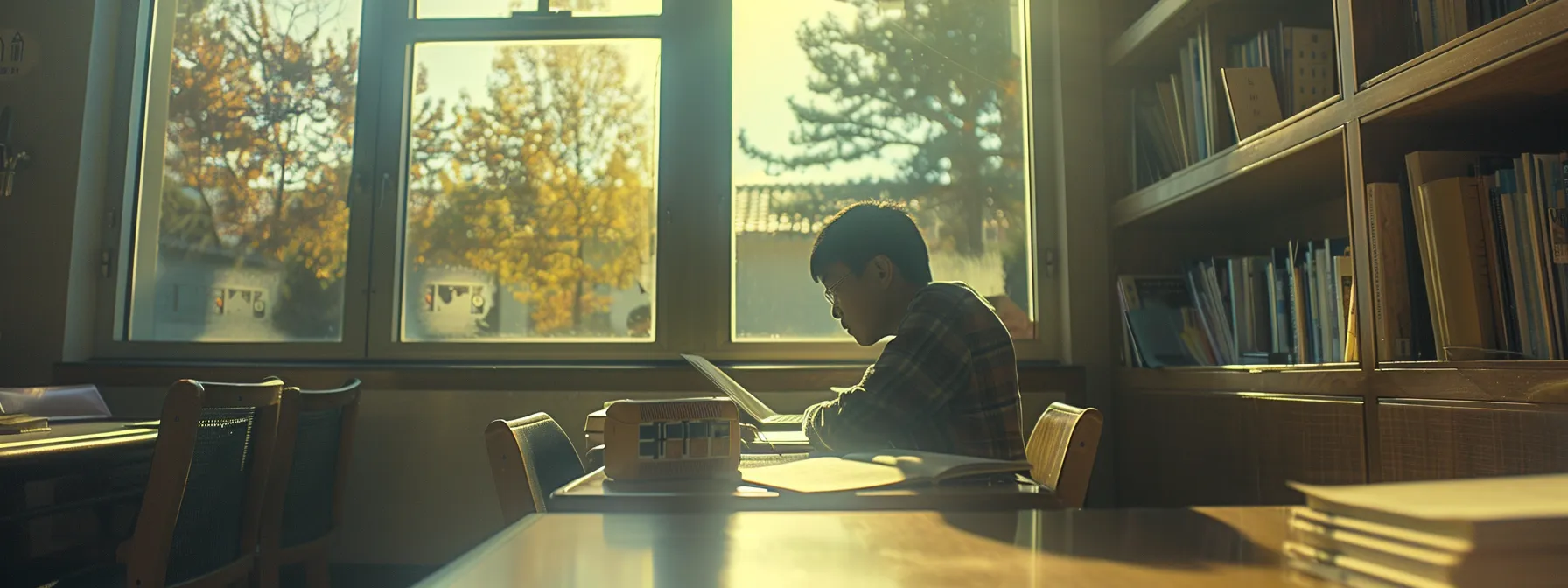
Effective time management is crucial for balancing study and play. One popular method is the Pomodoro Technique, which encourages students to alternate between focused study sessions and short breaks for relaxation or play. This approach reduces procrastination and helps maintain mental alertness. Additionally, weekend planning allows students to consolidate their study load during the week, freeing up time for restorative activities on weekends.
With the support of modern technology, students can access flexible programs like a bachelor of applied science online, enabling them to better integrate play into their schedules. To enhance productivity, it’s essential for students to evaluate their commitments and identify time-wasting habits, replacing them with focused study periods or enjoyable leisure activities.
Play as a Tool for Stress Relief and Mental Health

Academic stress can hinder cognitive functions and overall health. Play, a natural mood booster, can help alleviate stress by releasing endorphins. Recreational activities promote mental well-being and help students handle academic pressures better. Play also nurtures social connections, combats feelings of isolation, and fosters a sense of belonging.
Consistent play in daily life reinforces healthy lifestyle habits, supporting cognitive function and mental resilience. Activities like yoga, meditation, and walking can serve as meditative play, allowing students to recharge emotionally and mentally. A balanced routine that balances intellectual pursuits and playful escapism can reduce burnout risk and create a harmonious educational journey, prioritizing mental health alongside academic achievement.
Fostering Creativity and Problem-Solving Skills through Play
Play not only provides a break from academic rigor but also fosters creativity and problem-solving abilities. Creative play activities like painting, drama, and music encourage students to think laterally and view problems from different perspectives, which is crucial for academic challenges. Scenario simulation and role-playing sharpen decision-making skills and strategic thinking, providing safe environments for trial and error.
Sandbox-style video games and puzzle-based play enhance cognitive flexibility and abstract thinking, requiring players to adapt to changing scenarios, formulate strategies, and anticipate outcomes. Play also exposes students to failure in low-stakes settings, teaching resilience and the value of perseverance. This tenacity developed in play can be applied to academic environments, where persistence in problem-solving is essential for scholarly success.
Altogether, intertwining domains of play with academic life is not only beneficial but essential for a holistic educational experience. The integration of play strikes a necessary balance, equipping students with the cognitive resilience, mental health stability, and problem-solving acumen needed to excel academically and thrive in life beyond the classroom.