
A destination can look ideal in photographs, but the reality is often very different when travelling with tired children, lots of luggage and heavy pushchairs. For a family holiday, the practical details matter. How long the airport transfer takes, whether the streets are manageable for little legs, and where everyone can stop when the afternoon heat becomes too much are all very important factors for families to consider when booking their Italy trip.
Italy has historic towns, beaches and familiar food, but some bases are much easier for families than others. The five places below provide specific experiences that children can enjoy alongside the adults, from spending time on sandy beaches to travelling by boat or spotting colourful houses. Each also comes with practical considerations that are worth knowing before the bags are packed.
Swimming Off Sun-Bleached Cliffs and Quiet Coves Near Cefalù, Sicily
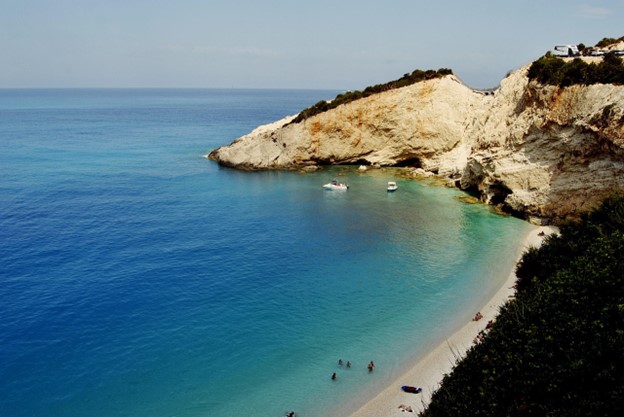
In Cefalù, a long sandy beach lies directly beside the medieval old town, so both can be enjoyed on the same day. The Lungomare includes free public sections as well as serviced lidos, where families can hire sunbeds and umbrellas or buy food and drinks. This can make a beach day easier with kids, although sea conditions vary and young swimmers still need close supervision. The smaller rocky coves around the coast may suit confident swimmers better than toddlers.
Behind the beach, the old town has shady lanes, cafés and plenty of places to stop for gelato. Its cobbled streets and occasional steps can be awkward with a pushchair, so a lightweight model or carrier may be useful. Families interested in exclusive villas throughout Sicily might choose a property near Cefalù with a private pool, shaded garden and enough bedrooms for everyone. Pool fencing and the distance from town should still be checked before booking. Properties outside the centre can be more spacious, but they may also require a hire car.
Exploring Lakeside Towns and Medieval Castles in Lake Garda, Italy
Sirmione sits on a narrow peninsula at the southern end of Lake Garda, with the Scaliger Castle marking the entrance to its historic centre. Children interested in knights and castles will love crossing into the castle’s courtyards and peering out over the fortified harbour. The upper walkways and tower require a long climb on steep stairs, however, so the interior is better suited to older children who can manage the ascent safely. The castle interior is not accessible with a pushchair.
The pedestrianised old town is pleasant to explore, but some lanes are cobbled and it can become busy, making a lightweight pushchair useful. Ferries provide an enjoyable way to visit other lakeside towns, such as Garda or Bardolino, without adding another car journey. Routes and sailing times vary by season, so families should check the current timetable and return options before setting out. A shorter boat trip can be enough for younger kids who enjoy being on the water but tire quickly during a full day of sightseeing.
Wandering Tuscany’s Hill Towns and Vineyard Roads, Italy
San Gimignano’s medieval towers make the town easy for children to recognise before the family reaches its walls. Inside, the route between Piazza della Cisterna and Piazza del Duomo passes stone buildings, small shops and several gelaterias filled with tasty snacks for children needing to refuel between exploring. The cobbled streets and slopes can be tiring for younger kids, but climbing a tower is better suited to older children who are comfortable with stairs and heights.
Most visitors must leave their cars in one of the designated parking areas outside the historic centre, so families should allow for the walk into town and avoid carrying unnecessary bags. When researching Italy tours for the whole family, check how much time is spent driving, whether child seats are included and which activities genuinely welcome younger guests. A shorter day in San Gimignano can be followed by a farm visit or an early dinner, keeping the Tuscan countryside in the plan without expecting kids to spend hours visiting vineyards.
Riding Vaporettos Past Colourful Houses in Burano, Venice
The vaporetto journey to Burano is a key part of the adventure, with lagoon views and stops at other islands along the way. Burano’s brightly painted houses make the streets fun for children to explore, particularly if they enjoy spotting favourite colours or taking photographs. The island is free from ordinary car traffic, but young kids still need close supervision beside the canals and while crossing bridges.
Burano can become busy during the middle of the day, so an earlier start may make the lanes easier to navigate. The Lace Museum provides context for the island’s traditional craft, while a canal-side lunch gives kids a chance to take a break before the return journey. Families travelling with a buggy should be prepared to fold it on the vaporetto and carry it over some bridges. Checking the latest sailing times also avoids a long wait at the pier with tired children.
Tracing Cliffside Roads and Lemon Groves on Italy’s Amalfi Coast
Sorrento makes a convenient family base for exploring the Amalfi Coast while staying in the same accommodation throughout the trip. In the warmer months, ferries connect its port with Positano and Amalfi, allowing kids to see the cliffside towns from the water and avoid some of the long, winding coastal road. The walk down to the port, boarding arrangements and return sailing should all be considered, particularly with a pushchair or a child prone to seasickness. Once on the baot though, children will marvel as the ferry picks up speed and travels across the water.
Visits to working lemon groves must usually be arranged in advance, as the farms are private and not all tours are designed for young children. Families should ask about the length of the visit, uneven ground and whether tastings are included. Positano also involves steep lanes and many steps once ashore, so it is better suited to older children and teenagers than to an easy buggy day. The views and boat journey can still make this part of Italy exciting for families, provided the itinerary allows enough time and does not attempt to cover several coastal towns in one day.
Which corner of Italy suits your family?
The best choice depends on the children’s ages, interests and tolerance for walking or travelling between stops. Cefalù allows families to divide their time between a sandy beach and the old town, while Lake Garda has boat trips and a castle best suited to kids who can manage steep stairs. San Gimignano brings medieval towers and Tuscan countryside, and Burano turns the boat journey into part of the day.
Families with older children or teenagers may be better prepared for Sorrento and the Amalfi Coast, where steep streets, busy ports and changing ferry conditions require more patience. Younger children may be happier with a single base, shorter outings and enough time each afternoon to swim or rest.
Before booking, compare transfer times, walking surfaces, pushchair access and the distance between the accommodation and the main attractions. Check pool fencing, ferry timetables and child-seat arrangements where relevant, then leave a little space each day for gelato, snacks and tired legs. The most enjoyable family trip will not cover every landmark, but it should give everyone something to look forward to.