
Family health falls off your radar until someone spikes a fever at midnight. You’re bouncing between meetings and school pickups. That dentist appointment? Cancelled three times now. Tonight’s dinner came through a drive-through window again. Everyone went to bed at 11 scrolling through videos.
Here’s how most of us handle health. We wait until something breaks, then freak out. This costs a fortune and stresses everybody out. Those massive January lifestyle changes? Dead by February. The stuff that actually works? Small tweaks that don’t require becoming a different person overnight.
Prioritize Preventive Care and Regular Checkups
Getting ahead of problems beats scrambling later. Annual checkups track things like blood pressure and cholesterol before they spiral. Kids need regular visits too so doctors can monitor how they’re developing.
You know what happens. Everyone seems fine, so you push that appointment back. Makes sense in the moment. But high blood pressure doesn’t text you a heads up. Neither does prediabetes. They just quietly mess things up until suddenly they’re big problems. Core Medical & Wellness works on stopping issues before they start instead of treating disasters.
Set up everyone’s checkups in January before your calendar explodes. Put them in your phone with annoying reminders. Most insurance covers this stuff completely. Bring whatever questions have been bugging you. That weird shoulder pain, whether your kid eats enough vegetables, all of it.
Keeping the same doctor over years helps a lot. They remember your family and notice changes faster. Your teenager probably wants private time with their doctor at some point. Let them have those conversations alone.
Build Active Habits as a Family
Movement shouldn’t feel like detention. Find stuff people actually want to do. Forcing gym sessions nobody enjoys? That fails fast. Kids who have fun being active tend to keep moving as they grow up.
Every family’s different about what works. Maybe yours loves hiking. Maybe you just like messing around in the yard.
- Evening walks beat everyone zoning out on separate screens after dinner
- Saturday bike rides before it gets blazing hot outside
- Kitchen dance parties when someone’s favorite song plays
- Those goofy active video games that leave you breathless
- Backyard catch with whatever ball rolled under the porch
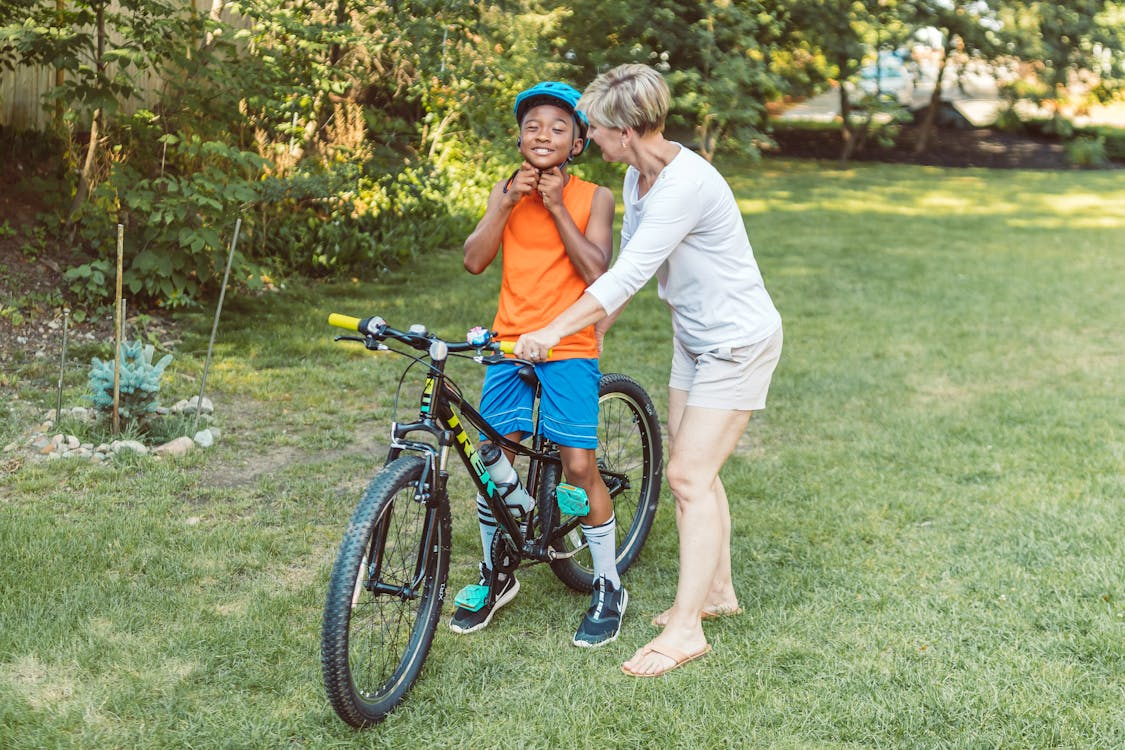
Photo by RDNE Stock project
Kids should move roughly an hour daily. Adults need about 150 minutes weekly. Breaking it into chunks helps. Park in the back row at stores. Take stairs instead of waiting for elevators. Do squats while your coffee maker gurgles.
Screens cause the biggest fights because everyone’s addicted. Including you, probably. Cutting back gradually works better than cold turkey declarations nobody follows. Trade one show for playing outside. Keep phones out of bedrooms and off the dinner table. Model the behavior because kids copy actions, not lectures.
Create Consistent Sleep Routines
Bad sleep ruins everything else you’re trying to improve. Immunity drops. Concentration vanishes. Weight sneaks up on you. Most families operate on way too little sleep. According to the Centers for Disease Control and Prevention, school-age kids need 9 to 12 hours every night. Adults need at least 7, though good luck hitting that.
Same bedtime every night matters more than you’d think. Weekends included, unfortunately. Your body craves predictable rhythms. Wind-down routines tell your brain it’s time to shut off. Reading works. Soft music helps. Light stretching releases tension from your shoulders.
Kick phones out of bedrooms entirely. Blue light destroys melatonin and keeps brains buzzing. Stop scrolling at least an hour before bed. Rooms need to be cool, dark, and quiet. Grab blackout curtains if street lights bother you.
Sleep problems that stick around need attention. Nightly snoring or constant tossing might signal bigger issues. Kids with sleep troubles tank at school and get moody. Call your doctor if it goes past two weeks.
Focus on Nutrition Without Obsession
Perfect meals only exist in filtered photos online. Strict food rules blow up in your face. They create weird relationships with eating that last years. Going for balance beats chasing perfection.
Stock Real Food First
Shop the store’s outer edges mostly. That’s where vegetables, fruit, proteins, and dairy live. Those middle aisles packed with processed boxes? Grab less of that. Make water the house drink instead of constantly buying juice boxes and soda.
Get kids involved in cooking early. They’ll try foods they helped prepare. Little ones wash carrots or rip lettuce. Elementary kids measure stuff and stir. Older ones can handle simple recipes alone. Skills they’ll use forever.
Drop the Clean Plate Fight
Kids understand when they’re full. Adults mess with those signals constantly. Serve reasonable amounts and let them stop when satisfied. Food shouldn’t be a reward or threat. That creates emotional eating issues that follow them into adulthood.
Sit Down Together Regularly
Family dinners improve way more than just nutrition. Grades improve. Mental health gets better. Stanford Medicine research shows regular meals together strengthen how families communicate. Turn screens off during dinner. Actually talk about everyone’s day. Three times weekly still counts.
Manage Stress Together
Ongoing stress wrecks your body long term, not just your mood. Kids stress over tests, friend drama, and jam-packed calendars. Parents juggle work pressure, bills, and keeping everyone fed and clothed. Your family needs actual coping methods.
Simple breathing techniques help everyone. Count to 4 breathing in. Hold for 7. Release for 8. Works during bedtime or meltdowns. Tensing then releasing different muscles also dumps physical stress.
Stop Overpacking Everything
Too many activities mean constant rushing. Nobody gets breathing room. Leave space between commitments. Say no to stuff that drains everyone. Quiet nights home aren’t wasted time. They’re necessary for recharging batteries.
Watch for Changes
Shifts in sleep patterns or appetite matter. Mood swings that linger or pulling away from friends needs attention. Mental health weighs the same as physical health. Getting professional help gives families better tools. Waiting typically makes things tougher.
Build quick connection points into each day. Morning check-ins or bedtime chats give everyone a voice. Hugs lower stress hormones naturally. Brief moments like these build strength against whatever life throws at you.
Where to Start
Better family health comes from repeating small actions over months. Pick one area to tackle now. Get comfortable with that before adding more. Real progress takes way longer than anyone wants to admit.
These five things work together naturally. Doctor visits spot early problems. Regular movement builds stronger bodies. Quality sleep helps healing happen. Decent food fuels everything. Managing stress protects mental wellbeing. Start wherever your family is right now. Don’t worry about being perfect at any of it.
Some weeks flow smoothly. Others feel like complete chaos. That’s normal. Keep showing up and doing what you can manage. Your family’s health deserves the effort, even when it’s messy.