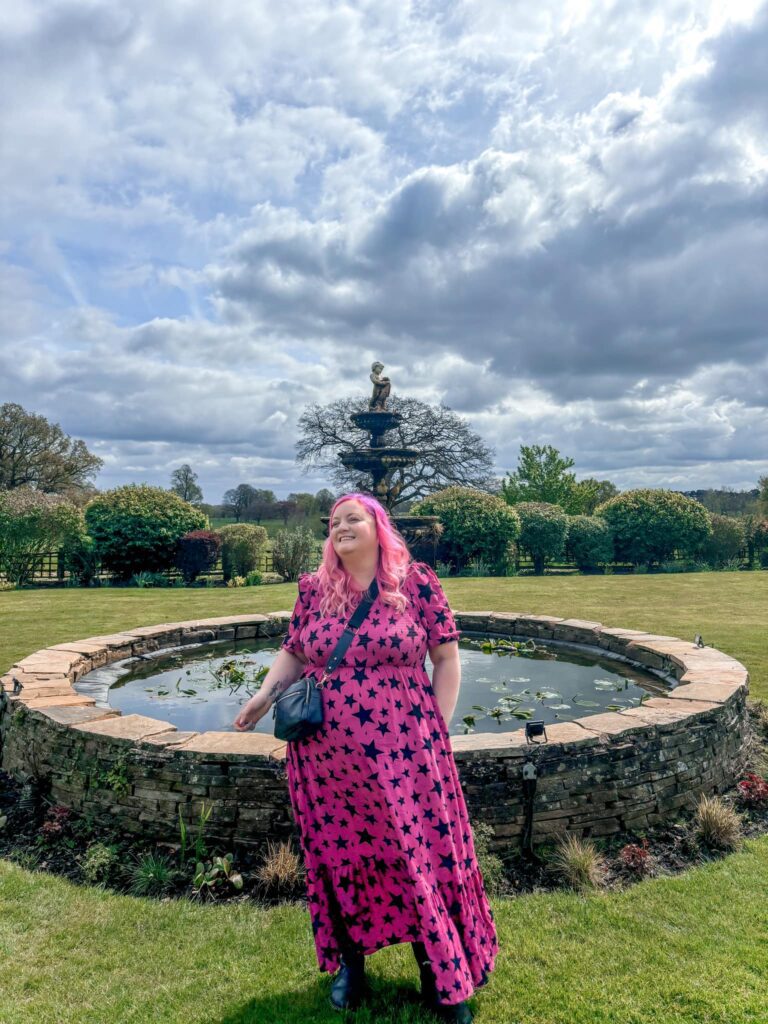
If you’ve recently hit your 40s and started noticing more hair falling out than usual, you’re not alone. I’ve always had thick hair, but lately, I’ve found my brush filled with more strands, and my once full ponytail feels a little thinner. It’s a bit unsettling, to say the least, but as I’ve learned, it’s also a natural part of ageing.
As we get older, hormonal changes and other factors can lead to hair thinning or loss, and that’s exactly what I’ve been experiencing. According to research from Simple Online Pharmacy, hair loss is a common issue as we age, particularly in women post-menopause, but it’s often not discussed openly enough.
Understanding The Causes
There’s a lot of misinformation about hair loss, so it’s important to get to grips with the actual causes. Some of the main reasons for hair thinning include hormonal shifts (like the decrease in oestrogen that happens as you age), stress, diet, and even genetics. While stress and genetics are factors, it’s important to consider the role of menopause in hair loss. To learn more about how this phase impacts hair health, check out the Effects of Menopause on Hair Health.
Female Pattern Hair Loss (FPHL), for instance, is the most common type of hair thinning in women, often beginning in the central parting. While it’s usually more associated with women over 50, I’m learning that it can happen earlier, especially if it runs in your family. According to the article I read, you might also experience **telogen effluvium**, where stress triggers more hair to enter the shedding phase than usual, and this is something that can affect women after a big life event or illness.
My Hair Loss Journey
When I first started noticing more hair shedding, I panicked a little. It was mostly after washing my hair or brushing it that I’d see a small clump of hair in my hands, and I wasn’t sure what was going on. I thought maybe it was the shampoo I was using or even stress, but as it turns out, a mix of hormonal changes and life stress was to blame. It’s made me more aware of my overall health too, as diet and deficiencies like iron can play a huge role in hair loss.
Hair Loss Prevention Tips
While some hair thinning is inevitable as we age, there are ways to slow down the process or make your hair appear fuller. Here are a few tips I’ve been trying that might help:
1. **Diet and Supplements**: I’ve made a conscious effort to ensure my diet includes more foods rich in iron, like spinach and red meat, as well as biotin and omega-3 supplements. Low iron is linked to hair loss, and deficiencies in these areas can make thinning worse. Adding these nutrients can improve the health of hair follicles.
2. **Scalp Care**: Just like you care for your skin, your scalp needs attention too. I’ve started using a gentle scalp scrub once a week to ensure it’s free from product build-up. A healthy scalp is key to encouraging hair growth.
3. **Gentle Styling**: Reducing heat styling and avoiding tight hairstyles like ponytails has been a big part of my hair care routine now. Hair becomes more fragile as we age, so treating it gently can prevent further breakage and loss.
4. **Minoxidil**: This is a topical treatment mentioned in the **Simple Online Pharmacy** article that’s often recommended for hair loss. It’s widely known to help with FPHL and is available without a prescription. I haven’t tried this myself yet, but it’s something I’m keeping in mind.
5. **Stress Management**: Stress has been a major factor in my own hair loss. Learning how to manage it, whether through mindfulness, yoga, or just taking time out, has helped me not only with my hair but my overall wellbeing.
Embracing Hair Loss as a Natural Process
It can be tempting to get hung up on hair loss and see it as a sign of ageing we’d rather avoid. But the more I’ve researched, the more I’ve realised that hair loss is just another natural part of getting older. It’s important to normalise it and not be embarrassed by it. Everyone experiences changes in their body as they age, and our hair is no different.
For me, embracing these changes means focusing on what I can control—like maintaining a healthy lifestyle and looking after my scalp and hair. It’s about feeling confident in my own skin and accepting that getting older comes with its own set of challenges, but also rewards.
In the end, if you’re experiencing hair thinning or loss in your 40s, remember it’s perfectly normal. There are plenty of ways to manage it, but the most important thing is to approach it with patience, understanding, and self-compassion.