
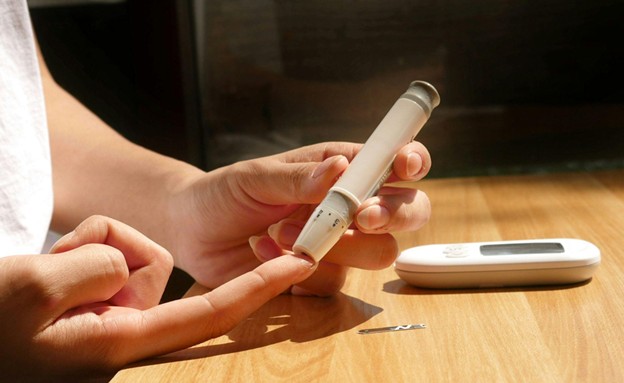
So, you’ve been fighting the good fight—watching carbs, counting steps, maybe juggling a handful of meds—and still, your blood sugar won’t budge. We see you. And if you’re wondering whether weight loss surgery could help you take control of your Type 2 diabetes, the short answer is: yes, it absolutely can (and often does).
Let’s break it down into bite-sized, blood-sugar-stabilized pieces.
Why Weight Matters in Type 2 Diabetes
Type 2 diabetes is a metabolic condition where your body either resists insulin or doesn’t use it efficiently. And guess what? Excess weight—especially around your middle—makes that worse. The more fat tissue you have, the harder your body has to work to keep blood sugar in check.
Here’s where it gets interesting: losing just 5–10% of your body weight can lead to major improvements in blood sugar, blood pressure, and cholesterol. But for many people, traditional diet-and-exercise efforts just don’t cut it—and that’s where bariatric surgery comes in.
How Weight Loss Surgery Changes the Game
Bariatric surgery doesn’t just help you lose weight. It also rewires how your body handles food, hormones, and blood sugar. In fact, many patients with Type 2 diabetes see a dramatic drop in their A1C (a key diabetes marker) within days to weeks of surgery—even before major weight loss occurs.
Here’s why:
- It increases insulin sensitivity (your body stops fighting itself)
- It lowers inflammation linked to insulin resistance
- It reshapes hormone production in the gut and pancreas
- It may help reset your metabolic “set point”
According to the American Society for Metabolic and Bariatric Surgery, up to 85% of patients with Type 2 diabetes see remission or major improvement after surgery. That’s not just better blood sugar—that’s fewer medications, more energy, and better long-term health.
Which Surgery Works Best?
Let’s break down your main options and how they affect diabetes:
| Surgery Type | Diabetes Benefits |
| Gastric Bypass (Roux-en-Y) | Often the most effective for blood sugar control; may lead to rapid remission of diabetes. |
| Gastric Sleeve (Sleeve Gastrectomy) | Highly effective; great for reducing insulin resistance and hunger hormones. |
| Duodenal Switch | The heavyweight champ of metabolic surgery—best for severe diabetes and high BMI, but more complex. |
Your doctor will help determine which is best based on your health, goals, and how your diabetes is behaving.
Can I Stop Taking Meds After Surgery?
Many people do—sometimes within days of surgery. But it’s not one-size-fits-all.
Some patients reduce their medication load drastically. Others go into full remission. Some stay on low doses of meds for a while—but with better numbers and fewer side effects.
You’ll still need to monitor your blood sugar closely post-op (especially in the first year) and work with your medical team to safely adjust medications.
Will It Help My Everyday Life?
You bet. Here’s what bariatric surgery has been shown to improve in people with Type 2 diabetes:
- Better blood sugar control (goodbye, 3 a.m. finger pricks?)
- More stable energy levels
- Reduced or eliminated meds
- Lower risk of heart disease, kidney damage, and nerve issues
- Less brain fog, better sleep, improved mood
- Oh—and weight loss, too
Plus, most patients say they just feel more like themselves again.
What’s the Catch?
Okay, there are some things to know:
- You’ll need to commit to lifelong lifestyle changes: eating differently, taking vitamins, and sticking with follow-up care.
- There’s surgical risk, like with any procedure—but modern bariatric surgery is extremely safe (safer than living with uncontrolled diabetes, actually).
- Not everyone qualifies, but if your BMI is 35+ with Type 2 diabetes, or 30+ with uncontrolled blood sugar, you might be eligible.
Final Thoughts: Is It Worth It?
If Type 2 diabetes is running the show and nothing else has worked, bariatric surgery could be your reset button.
It’s not the “easy way out”—it’s a serious, medically backed tool that could help you take charge of your health, your blood sugar, and your life. Talk to your doctor or a bariatric specialist to see if you’re a good fit.