
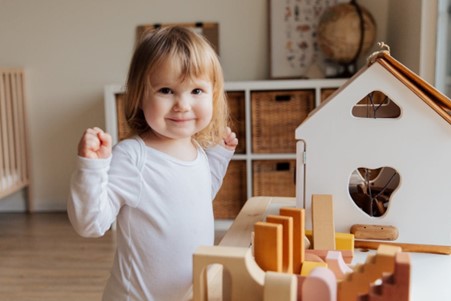
A child’s playtime is a vital part of their development since it provides a wealth of learning and development opportunities. Integrating home-based OT activities for kids into daily routines can have a profound impact. Parents can design exciting, therapeutic, and engaging at-home occupational therapy exercises for their children that enhance their motor, sensory, and cognitive development.
Transforming everyday play into purposeful OT exercises doesn’t have to be complicated. Simple activities like building with blocks, playing catch, or engaging in sensory-rich experiences can be tailored to address specific therapy objectives. These playful interventions can improve fine and gross motor skills, enhance sensory processing, and boost overall functional abilities in a natural, enjoyable setting.
The information provided is for learning purposes and is not a replacement for medical advice. Please speak with a healthcare provider for individualized recommendations.
Key Takeaways
- Integrating play into OT exercises enhances engagement and effectiveness.
- Everyday activities can be adapted to support therapeutic goals at home.
- Playful OT interventions improve motor skills and sensory processing.
Developing Motor Skills Through Play
Play-based activities offer an effective way to develop crucial motor skills in children. These engaging exercises can enhance fine and gross motor abilities while promoting cognitive growth and sensory integration.
Enhancing Fine Motor Skills and Dexterity
Fine motor activities help children improve hand strength, finger isolation, and dexterity. Therapy putty exercises strengthen hand muscles and improve grip. Children can roll, pinch, and pull the putty to enhance finger control. Stringing beads or threading pasta onto shoelaces develops pincer grasp and hand-eye coordination.
Cutting activities with child-safe scissors boost hand strength and coordination. Start with straight lines on paper, then progress to curved shapes. Coloring and drawing tasks help refine pencil grasp. Encourage proper grip by using shorter crayons or pencil grips.
Playdough offers versatile fine motor practice. Children can roll, squeeze, and mold it into shapes. Hide small objects inside for a fun sensory treasure hunt that exercises finger muscles.
Supporting Gross Motor Skills and Physical Fitness
Outdoor play provides ample opportunities for gross motor development. Climbing on playground equipment builds upper body strength and coordination. Swinging helps with balance and core strength.
Create an indoor obstacle course using cushions, boxes, and tunnels. This encourages crawling, jumping, and climbing. Bear crawls across the room improve strength and coordination.
Ball games enhance hand-eye coordination and bilateral skills. Practice throwing, catching, and kicking with various sized balls. Use targets to make it more challenging and fun.
Dancing to music promotes balance, coordination, and rhythm. Encourage free movement or teach simple dance steps. This activity also supports cognitive development through pattern recognition.
Cognitive and Sensory Integration Development
Sensory play supports both cognitive and motor development. Fill bins with materials like rice, beans, or water beads for tactile exploration. Hide small toys inside for a sensory scavenger hunt that exercises visual perception skills.
Puzzles enhance problem-solving abilities and visual-spatial skills. Start with simple wooden puzzles and gradually increase difficulty. Building with blocks or Lego develops spatial awareness and fine motor control.
Visual motor integration activities combine visual and motor skills. Tracing activities, dot-to-dot puzzles, and mazes are engaging options. These tasks improve hand-eye coordination and visual tracking abilities.
Memory games boost cognitive skills while exercising fine motor abilities. Create a matching game with picture cards or use a commercially available set. This activity enhances visual perception and hand dexterity.
Strategies for Incorporating Therapeutic Play at Home
Integrating therapeutic play into daily routines can enhance a child’s development and well-being. Effective strategies focus on creating sensory-rich environments, adapting play spaces, and fostering social skills through engaging activities.
Building Sensory Diets and Routines
Sensory diets are customized activity plans that provide children with the sensory input they need throughout the day. Incorporate movement breaks every 1-2 hours, including activities like jumping, spinning, or crawling. Use sensory bins filled with rice, beans, or water beads for tactile exploration.
Introduce heavy work activities such as pushing a laundry basket or carrying groceries to provide proprioceptive input. Set up obstacle courses with cushions, tunnels, and balance beams to challenge motor skills and vestibular processing.
Establish consistent routines for sensory activities, integrating them into daily tasks like getting dressed or preparing meals. This consistency helps children regulate their sensory systems and feel more balanced.
Creating and Adapting Play Environments
Design safe play spaces that cater to various sensory needs. Install a sensory swing or hammock for vestibular input. Use adjustable lighting to create calming or stimulating atmospheres as needed.
Organize toys and materials in clear, labeled containers to promote independence and reduce visual clutter. Create defined areas for different types of play, such as a quiet corner for reading and a movement zone for active play.
Adapt existing play equipment to suit different abilities. Use textured tape on toy handles for better grip, or add weights to drawing tools for increased proprioceptive feedback during fine motor activities.
Engagement, Social Skills, and Self-Esteem
Encourage cooperative play to develop social skills. Set up pretend play scenarios like a grocery store or doctor’s office to practice communication and turn-taking. Use board games to teach emotional regulation and impulse control.
Incorporate mirroring activities where children imitate movements or facial expressions to build social awareness. Create opportunities for problem-solving through building challenges or simple puzzles.
Boost self-esteem by celebrating small achievements and offering specific praise. Encourage children to express their feelings through art or music. Provide choices in activities to foster independence and decision-making skills.
Use role-playing to practice social situations and develop emotional resilience. Create a “feelings chart” to help children identify and express their emotions during play.
Conclusion
Incorporating playtime into home-based OT exercises offers numerous benefits for children’s development. Fun activities can enhance sensory integration, fine and gross motor skills, and overall coordination.
Parents and caregivers play a crucial role in continuing therapy through play at home. By creatively integrating OT principles into daily routines and playtime, children can make consistent progress in a comfortable, familiar environment.
Balancing structured exercises with free play allows kids to practice skills while having fun. This approach helps maintain motivation and engagement, leading to better outcomes in occupational therapy goals.