
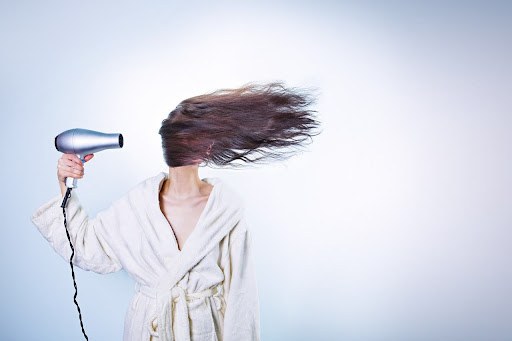
When was the last time you considered how your morning styling ritual impacts your energy bill? Most of us rarely connect our personal grooming habits with energy consumption, yet these daily activities—from blow-drying hair to keeping electric toothbrushes charged—collectively consume a surprising portion of household electricity. The environmental footprint of our beauty routines may be larger than we realize, but here’s the silver lining: making more sustainable choices doesn’t require sacrificing self-care. With thoughtful adjustments, you can maintain your personal standards while reducing both your environmental impact and utility costs.
Understanding Energy Use in Personal Care
Beauty appliances vary dramatically in their power requirements. Those styling tools that heat up quickly? They’re often energy-intensive by necessity. Hair dryers, curling irons, straighteners, electric razors, and heated beauty devices each draw different amounts of power, measured in watts—and these numbers add up faster than you might think.
To put this in perspective, a typical styling tool consumes between 1,000 to 2,000 watts during operation. Using such a device for just 10 minutes daily translates to roughly 60-120 kilowatt-hours (kWh) annually—equivalent to keeping several LED bulbs burning non-stop for months. Understanding these measurements provides valuable context for evaluating the true cost of our daily beauty habits.
Choosing Energy-Efficient Beauty Appliances
The wattage rating on beauty tools matters more than most people realize. When shopping for new appliances, look beyond aesthetics and brand names to consider energy-saving features that can significantly reduce your environmental footprint. Versatile devices with multiple heat and speed settings allow you to customize power usage to each specific task. Similarly, automatic shut-off functionality prevents wasted energy when you inevitably forget to turn something off while rushing out the door.
For many people, a hair dryer represents one of the most frequently used high-wattage appliances in their routine. Models in the 1,200-1,500 watt range that still deliver effective performance hit the sweet spot between functionality and conservation—powerful enough to style efficiently without unnecessary energy consumption.
While energy-efficient models often come with a higher price tag, they typically pay for themselves through reduced electricity bills over their lifespan. Many contemporary devices also incorporate technologies like ionic features that cut drying time, simultaneously decreasing energy use and reducing heat damage to your hair—a win-win for both your utility bill and your appearance.
Practical Tips for Reducing Energy Use in Your Beauty Routine
Transform your routine with these straightforward energy-saving strategies:
Embrace air-drying – Let your hair reach 80% dry naturally before finishing with heat tools
Dial down the settings – Lower heat and speed settings often work just as effectively while using significantly less power
Break the standby habit – Unplugging devices completely eliminates “phantom power” draw that occurs even when devices are off
Keep tools in top condition – Clean filters and proper maintenance ensure appliances work efficiently rather than struggling to perform
Consolidate styling sessions – Heating styling tools once rather than multiple times throughout the day dramatically cuts energy waste
Key Takeaway: Simply being more intentional about when and how you use your beauty appliances can slash related energy consumption by up to 30%—without requiring major changes to your appearance or routine.
The Role of Technology in Sustainable Beauty
Innovation in beauty technology increasingly emphasizes sustainability alongside performance. Advanced features like brushless motors offer superior energy efficiency and extended durability compared to conventional motors. Smart sensors that detect moisture levels and adjust heat output accordingly prevent wasteful energy use by delivering precisely the power needed for effective styling—no more, no less.
This evolution extends beyond energy consumption to the physical products themselves. Many manufacturers now incorporate biodegradable components and recycled materials, reducing environmental impact across the product lifecycle. The industry is gradually shifting away from disposable design philosophies toward creating appliances built to last—a refreshing departure from the throwaway culture that has dominated consumer goods.
Simple maintenance habits significantly extend appliance lifespan while ensuring optimal efficiency. Regularly removing hair from brush attachments, wiping down heating elements, and keeping air vents clear prevents the energy waste that occurs when devices must work harder than necessary to achieve the same results.
Summing Up Sustainable Beauty Habits
The cumulative effect of small adjustments to our daily beauty routines can yield meaningful energy savings and environmental benefits over time. By selecting efficient appliances, using them mindfully, and embracing innovations designed with sustainability in mind, we can maintain personal care standards while lightening our ecological footprint.
Consider taking stock of your current beauty routine to identify opportunities for greater efficiency. Which devices do you use most frequently? Are any nearing replacement age and could be upgraded to more efficient models? Even implementing one or two changes creates impact when multiplied across years of daily use.
Remember that sustainable beauty isn’t about compromise—it’s about making informed choices that align your personal care practices with environmental values, creating benefits that extend far beyond your bathroom mirror.