
In an age where technology often takes precedence in children’s lives, the importance of outdoor play cannot be overstated. Parks, gardens, and playgrounds offer vital spaces for children to explore, learn, and develop essential skills. This article delves into the myriad educational benefits of outdoor activities, particularly highlighting the roles of educational toys and a playhouse in enriching children’s learning experiences.
The Significance of Outdoor Play
Outdoor play serves as a fundamental building block for childhood development. When children engage with their environment, they learn in ways that are often more dynamic and impactful than traditional classroom settings allow. Research consistently indicates that outdoor play enhances physical, cognitive, and social skills, providing a comprehensive approach to learning.
Physical Development
Engaging in outdoor play fosters physical health and development. Climbing on jungle gyms, swinging, and running around not only contribute to fitness but also help develop gross motor skills, balance, and coordination. These physical activities are crucial for reducing the risk of childhood obesity and associated health issues, as children learn to enjoy movement in a fun and engaging way.
Parks and playgrounds provide an ideal setting for children to engage in these activities. The diverse range of equipment encourages children to test their limits, which in turn builds confidence. When they climb to the top of a slide or master the swings, they gain a sense of accomplishment that positively impacts their self-esteem.
Cognitive Development
The cognitive benefits of outdoor play are profound. When children play outside, they are often engaged in unstructured play, which stimulates creativity and problem-solving skills. A simple stick can become a sword or a wand, while a patch of grass can transform into a battlefield or a stage for an impromptu performance. This kind of imaginative play fosters critical thinking and creativity, essential skills in today’s rapidly changing world.
Furthermore, outdoor environments are inherently rich with opportunities for discovery. Whether it’s observing the flight of a bird, identifying different types of leaves, or noticing changes in the weather, these experiences enhance a child’s understanding of science and nature. Such interactions promote curiosity and encourage questions, laying the groundwork for a lifelong love of learning.
Social Skills and Emotional Growth
Outdoor play also provides invaluable opportunities for social interaction. When children play together, they learn to share, take turns, and communicate effectively. These skills are essential for building friendships and navigating social situations throughout life.
In settings such as parks or playhouses, children are often exposed to diverse social dynamics. They encounter peers from different backgrounds, helping them develop empathy and cultural awareness. Participating in team games, like tag or football, fosters collaboration and teaches children the importance of working together towards a common goal.
Additionally, outdoor play supports emotional growth. Nature offers a calming environment, which can help children manage stress and anxiety. The freedom to explore and create in an outdoor setting allows for emotional expression and the development of resilience. Learning to cope with minor setbacks—like falling while climbing—teaches children how to manage failure and bounce back.
The Role of Educational Toys
Integrating educational toys into outdoor play can significantly enhance learning experiences. These toys encourage exploration, creativity, and critical thinking while also making playtime more engaging.
For instance, building sets or science kits designed for outdoor use can turn a simple garden into a rich learning environment. Children can experiment with building structures, fostering skills in engineering and design while engaging their imagination. Such toys not only provide fun but also enrich children’s understanding of basic scientific principles.
The Value of Playhouses
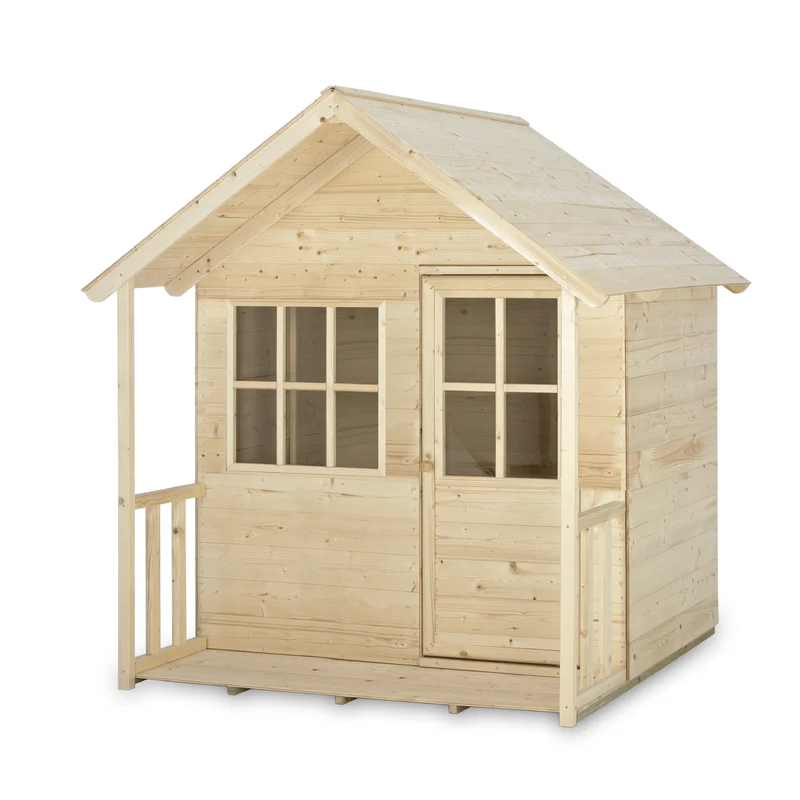
Playhouses represent another excellent resource for outdoor learning. These structures encourage imaginative play and can serve as a safe haven for children to engage in various role-playing scenarios. Whether pretending to run a shop, host a tea party, or embark on adventures as superheroes, playhouses facilitate creativity and social interaction.
Moreover, playhouses can also serve educational purposes. Children can learn about the concepts of space and design as they help arrange furniture or decorate their play area. This hands-on involvement allows them to grasp basic principles of architecture and design while fostering responsibility and ownership over their play environment.
Nature-Based Learning
Incorporating nature into outdoor play is an excellent way to enhance educational experiences. Parks and gardens are ideal settings for children to engage in nature-based learning. Activities such as planting seeds, observing insects, or creating art with natural materials not only spark creativity but also nurture a sense of environmental stewardship.
Nature walks provide another educational opportunity. As children explore their surroundings, they learn to identify plants, animals, and natural features, deepening their appreciation for the environment. Such experiences instil a sense of responsibility towards nature and highlight the importance of conservation.
Safety Considerations
While the benefits of outdoor play are abundant, it is essential to prioritise safety. Parents and caregivers should ensure that play areas are free of hazards and that equipment is age-appropriate. Regular maintenance of playgrounds is crucial for preventing injuries.
Moreover, teaching children about safety during outdoor play is vital. Educating them on how to use equipment properly and encouraging them to recognise potential dangers can empower them to make safe choices. Instilling these lessons can help children develop a strong sense of self-awareness and responsibility while playing outdoors.

Conclusion
In conclusion, outdoor play is an indispensable part of childhood development that offers a wide array of educational benefits. From fostering physical health to enhancing cognitive and social skills, the advantages of outdoor activities are clear. Incorporating educational toys and playhouses into these experiences can further enrich children’s learning, providing structured opportunities for exploration and creativity.
Encouraging children to play outside is more important now than ever, as it helps instil a love for learning and an appreciation for the natural world. As we embrace the beauty of nature and the joy of play, we ensure that every child has the opportunity to grow and learn in a vibrant, engaging environment. By prioritising outdoor play, we contribute to well-rounded, confident individuals ready to tackle the challenges of tomorrow.