

It can be awful to deal with cystic acne or wake up the day of a big event with a huge, inflamed pimple on your forehead. While acne isn’t dangerous to your health (unless it’s inflamed or of a medically significant level), many social stigmas and myths surrounding acne can make it feel like a bigger deal than it actually is, and contribute to the insecurities or worries we have when our skin isn’t looking its best. We’re here today to bust six common acne myths, so you can take care of your skin, banish pimples, and live with confidence.
Myth 1: Junk food causes acne
It might seem intuitive, considering that acne is caused by oils on our skin, but there is actually no correlation between eating greasy food, and getting acne – that’s because the oil doesn’t travel to your skin. The only way you would be getting acne through oily food is if you’re cooking it, and little droplets are splashing onto your face, and you’re not washing them off properly.
That being said, eating junk food isn’t good for your health in general, and eating a lot of it can cause high blood sugar, high blood pressure, and imbalances in your body’s hormones. This doesn’t necessarily cause acne, but the skin is an organ like all others, and its health is going to be impacted by your diet, so it’s usually good practice to limit highly processed or unhealthy foods.
Myth 2: Exfoliating is the solution to clearing acne
Exfoliating is the process of either physically or chemically removing the surface layer of dead skin cells to increase your skin’s turnover rate and reveal fresher, newer skin. While exfoliating an appropriate amount (twice or three times a week) can be good for unclogging your pores, clearing your sebum, and reducing the amount of congestion on the skin, it’s not necessarily a magic solution — only one step of a healthy skincare routine. Over-exfoliating can accidentally scrub off healthy skin which leads to redness and irritation, and for acne-prone skin, you’ll also want to avoid physical exfoliation, which can further inflame the skin’s barrier.
Myth 3: You shouldn’t use oils in skincare if you have acne
It might seem natural that cutting out oils in your skincare products should reduce the amount of oil on your skin. However, not properly moisturising your skin can lead your pores to overcompensate, producing even more sebum. Facial oils can actually support acne-prone skin, by moisturising it, and also encouraging your skin to produce less of its own sebum. However, the most important factor is choosing an oil that is non-comedogenic, meaning it won’t clog your pores, which is what leads to breakouts in the first place. Plus, some non-comedogenic oils even soothe irritation, helping to reduce redness.
Myth 4: Acne means unclean skin
Having acne is very likely not to do with the cleanliness of your skin, and in fact, as discussed above, over-cleansing or over-exfoliating your skin can actually trigger even more breakouts. Acne happens for a wide variety of reasons, from hormones to genetics, to climate, to even your mood and mental well-being. In fact, most of the factors that cause acne are factors that happen either under the skin or inside your body — the cleanliness of the surface of your skin is really not the usual cause.
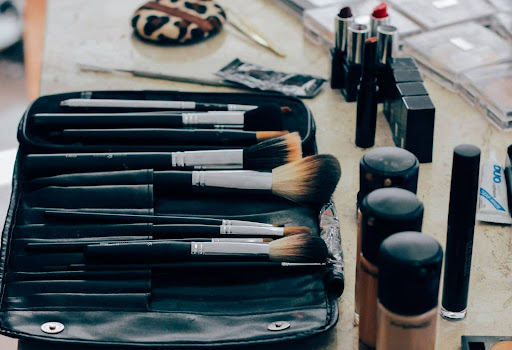
Myth 5: You can’t wear makeup if you have acne
Makeup can be a beautiful form of self-expression and art, and having acne should absolutely not stop anyone from wearing it. There are some things to be careful of though, especially to avoid inflaming or irritating your acne. For example, try to look for products built specifically for acne-prone skin. These will be products that are non-comedogenic, built with skincare ingredients, and potentially more lightweight than other products. Another important note is to never go to sleep without washing off all your makeup, especially your foundation and base makeup — that’s a recipe for disaster, and one almost certain way to end up with an inflamed, clogged breakout in the morning.
Myth 6: Load up on skincare to treat acne
Not all skincare is good for acne, and in fact, some skincare can make your acne worse, especially if it’s not used for the right purposes. For example, if you moisturise your skin with a heavy-duty cream made for people who live in dry climates, that’s likely going to fill your pores, creating an excess of sebum on your face, and leading to more breakouts. On the flip side, overusing many harsh anti-acne products without proper layering, or without giving your skin the rest days it needs, can irritate your skin, destroy its natural protective barrier, and even overstimulate your pores into producing more sebum and more breakouts. Instead, you’ll want to focus on gentle products like pimple patches, or lightweight moisturisers to care for your skin.
At the end of the day, the skin is the largest organ in the body and it’s important that we take care of it, like all our other organs. Acne can be debilitating sometimes, and despite being an extremely common factor of life that billions of humans go through, it can be the subject of a lot of misinformation and myths. Always make sure you do your research and talk to a professional if you’re struggling with consistent breakouts or cystic acne, so you can get the most reliable, accurate information to empower yourself and achieve the skin you want.