
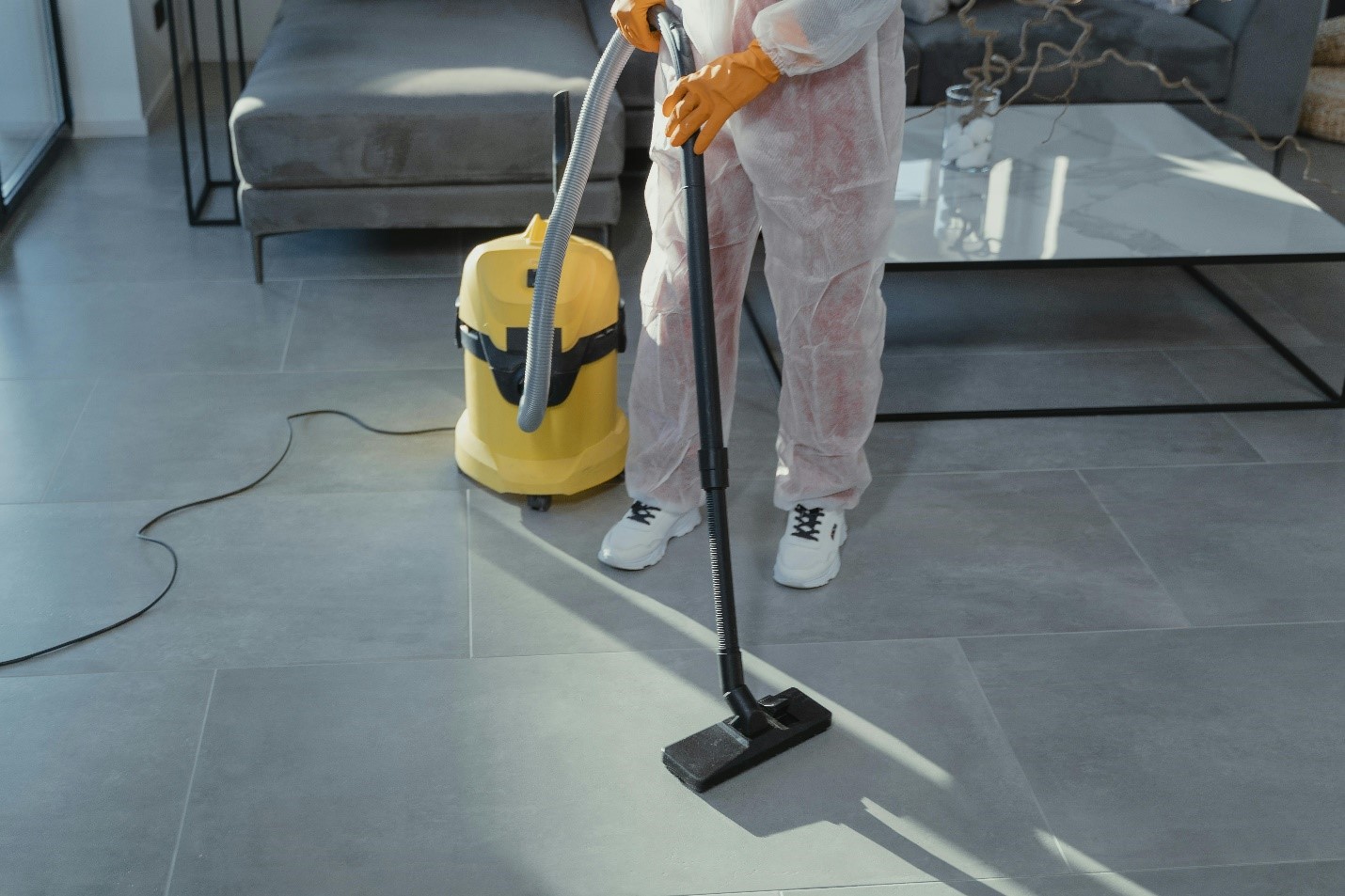
Do you ever feel like home maintenance costs are endless? From repairs to replacements, it may seem like your house constantly demands attention. However, proactive care can help reduce expenses and keep your home in great shape. Simple tasks can make a big difference in preventing costly problems down the line. By focusing on regular upkeep, you can protect your investment and avoid financial headaches.
In this blog, we will share practical home maintenance tips to help you save money and extend the life of your home.
1. Check and Maintain Your HVAC System
Your HVAC system works hard year-round to keep your home comfortable. Regular maintenance can improve its efficiency and help it last longer. Start by cleaning or replacing air filters every few months. Dirty filters make the system work harder, increasing energy bills and causing wear and tear.
Also, schedule annual professional inspections. A technician can spot small issues before they turn into expensive repairs. Clear debris around outdoor units to ensure proper airflow, and check for any unusual noises or reduced performance that might signal a problem. These small steps can save you money in the long run.
2. Address Small Bathroom Updates Early
Bathrooms are a high-traffic area in most homes, making them prone to wear and tear. Small issues like leaky faucets or worn-out caulk may not seem urgent, but they can lead to bigger problems if ignored. A dripping faucet wastes water and increases your bill, while failing caulk can allow water to seep behind tiles, causing mold or structural damage.
If you’re considering updates, even simple ones, bathroom remodeling can help you save money over time. Updating outdated fixtures can improve water efficiency and reduce monthly bills. Fixing small problems and investing in modern upgrades will not only enhance your bathroom but also prevent costly repairs in the future.
3. Inspect and Clean Gutters Regularly
Clogged gutters may not seem like a big deal, but they can cause significant damage to your home. Water that overflows from gutters can damage your roof, siding, and even your foundation. Cleaning your gutters at least twice a year helps avoid these issues.
Look for signs of sagging or leaks while cleaning. Repair any damage immediately to prevent further problems. Installing gutter guards can also reduce how often you need to clean them. Keeping gutters in good shape protects your home and prevents costly water damage.
4. Seal Drafts and Improve Insulation
Energy bills often rise because of drafts or poor insulation. Small gaps around doors, windows, or in your attic let heated or cooled air escape, forcing your HVAC system to work harder. Sealing these drafts with weatherstripping or caulk can significantly lower your energy costs.
Additionally, check your insulation. If it’s old or inadequate, upgrading it can save money on heating and cooling. Proper insulation keeps your home comfortable and reduces the strain on your HVAC system, helping it last longer.
5. Maintain Your Roof to Avoid Big Repairs
Your roof protects your home from the elements, but it’s easy to overlook. Regular inspections can help you catch problems early. Look for missing or damaged shingles, as they can lead to leaks and water damage. Remove debris like leaves or branches that might trap moisture and cause rot.
If you notice small issues, fix them quickly to prevent larger, more expensive repairs. Regular maintenance extends the life of your roof and protects the rest of your home from weather-related damage.
6. Service Your Water Heater
Your water heater is an essential part of your home, but it can be a hidden energy drain if it’s not well-maintained. Over time, sediment builds up in the tank, reducing its efficiency and lifespan. Draining and flushing the tank once a year removes sediment and improves performance.
Check the temperature setting as well. Lowering it to 120°F can save energy and reduce your utility bill without affecting comfort. Inspect the anode rod every few years and replace it when needed to prevent rust from damaging the tank.
7. Take Care of Your Plumbing System
Leaky pipes or fixtures can waste a lot of water and lead to costly damage over time. Regularly inspect your plumbing for signs of leaks, such as water stains, dripping sounds, or unexplained increases in your water bill. Fixing leaks promptly prevents further damage and saves money.
Avoid clogs by being mindful of what you flush or pour down the drain. Use drain covers to catch hair and debris, and occasionally flush your drains with hot water to keep them clear. These small steps help keep your plumbing system in good shape.
8. Test Smoke and Carbon Monoxide Detectors
Safety equipment like smoke and carbon monoxide detectors not only protect your family but also your wallet. A house fire or gas leak can cause devastating financial losses. Testing these devices monthly ensures they work when you need them most.
Replace batteries at least once a year and follow the manufacturer’s guidelines for replacing the units themselves. A few minutes of maintenance can save you from costly repairs or medical expenses in an emergency.
9. Keep an Eye on Your Foundation
Your home’s foundation supports everything, making it a critical area to monitor. Small cracks or uneven areas may not seem like a big deal, but they can signal larger issues. Inspect the foundation regularly for signs of damage, such as cracks, sticking doors, or water pooling near the base of your home.
Addressing small problems early can prevent expensive repairs later. Ensure proper drainage around your home to keep water away from the foundation. Simple steps like redirecting downspouts or grading the soil can make a big difference.
In conclusion, taking care of your home doesn’t have to be overwhelming or expensive. Regular maintenance and small upgrades can prevent major issues and save money over time. By keeping up with these tips, you’ll protect your investment and enjoy a more comfortable living space. Making maintenance a habit can feel rewarding as you see the long-term benefits.